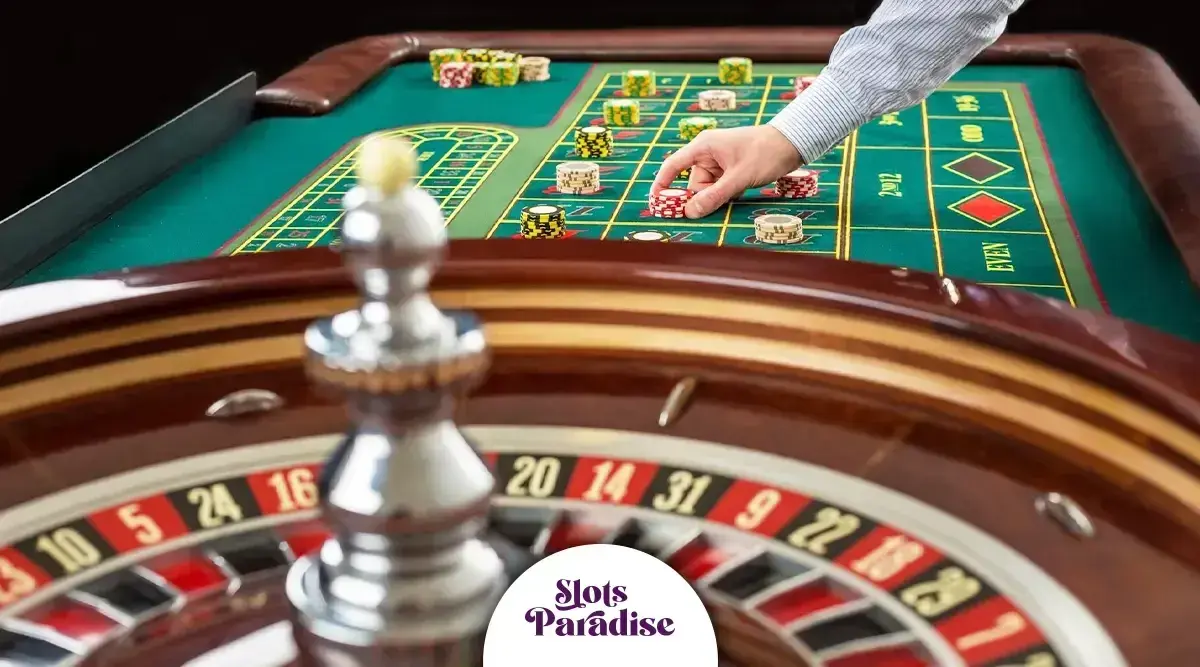
The spin of a roulette wheel is more than a game. It’s a sound effect for fate itself. A tiny, clattering heartbeat that has echoed through stories for over a century. Honestly, from the smoky casinos of noir films to the tense pages of Russian novels, the roulette wheel has been a director’s—and a writer’s—best friend.
It’s a perfect symbol, you know? A compact universe of red, black, and that treacherous green zero. Chance, luck, desperation, and cold calculation all whirring around together. Let’s dive into how this iconic object rolled its way from the gaming tables of Europe right into the heart of our collective imagination.
The Literary Bet: Roulette as a Mirror for the Soul
Long before it hit the silver screen, writers were fascinated by roulette’s psychological drama. It wasn’t just about gambling; it was a laboratory for the human condition under extreme pressure.
Dostoevsky’s Compulsive Portrait
No one captured the manic obsession better than Fyodor Dostoevsky. In fact, he wrote his novella The Gambler under a crushing deadline to pay off his own, very real roulette debts. The story is a raw, almost autobiographical look at the addiction cycle.
For his protagonist, Alexei Ivanovich, the wheel isn’t entertainment. It’s a philosophical vortex. Winning and losing become meaningless next to the sheer, dizzying act of the bet. The wheel represented a terrifying freedom—a chance to defy logic and even one’s own character in a single, spinning moment. Dostoevsky used the casino as a setting to explore obsession, and honestly, he set the template for every tortured gambler to follow.
A Shift in Tone: The Glamour and the Grit
As the symbol migrated, its meaning split. In Ian Fleming’s James Bond novels, roulette became a tool of cool sophistication. Bond’s mastery of “the wheel” (and his dubious, fictional betting system) was part of his impeccable, unflappable persona. The risk was there, but it was sleek, controlled.
Contrast that with the gritty realism of later works. In Walter Tevis’s The Queen’s Gambit (yes, a chess story, but stay with me), the young Beth Harmon is mesmerized by the casino’s roulette wheel. It’s not about money for her. It’s about the mesmerizing, mathematical chaos—a beautiful distraction from her own mind, foreshadowing her battles with addiction. The wheel here is pure, seductive pattern.
Cinematic Spin: The Wheel as a Visual Powerhouse
If literature probed the psychology of roulette, cinema gave it a face, a sound, and a breathtaking visual rhythm. Directors quickly realized its cinematic potential. The spinning wheel is a natural camera focus—a circle of suspense.
Classic Hollywood and the Noir Edge
In films like Casablanca (1942), roulette is a moral test. Rick allows a desperate young couple to win at his rigged wheel, an act of rebellion that rekindles his idealism. The bet isn’t about luck; it’s a plot device that reveals character.
Then came film noir. Here, the roulette table was bathed in shadow and cigarette haze. It symbolized a broken world where fate was rigged. The spin of the ball was the sound of hopes being dashed against the hard edges of a corrupt system. You could feel the desperation.
The Modern Metaphor: From Heists to Heartbreak
Modern filmmakers have run with the metaphor in brilliant ways. Think of the famous Russian Roulette scenes in The Deer Hunter (1978). It’s not a casino game, but the brutal, life-or-death logic of roulette applied to a gun. The randomness of the wheel becomes the randomness of war, of survival—a devastating escalation of the symbol.
Or take Casino Royale (2006). Bond’s high-stakes poker game might be the centerpiece, but the film opens with a black-and-white sequence where he wins a car in a… you guessed it, roulette game. It’s a direct nod to the literary Bond’s preferred game, a clever bridge between old and new.
And in Run Lola Run (1998), the entire film feels like a roulette spin. Lola’s three sprints through Berlin are three different spins of fate’s wheel, where tiny changes lead to wildly different outcomes. The ball is dropped, and we watch its chaotic, beautiful path.
Why It Endures: The Unbeatable Symbolism
So why does this particular symbol have such staying power? Well, it’s incredibly versatile. Here’s a quick breakdown of its core symbolic meanings:
| Symbolic Meaning | Example in Story |
| Fate & Chance | The arbitrary outcomes in Run Lola Run. |
| Addiction & Obsession | Dostoevsky’s The Gambler. |
| Cool Sophistication | James Bond’s effortless mastery. |
| Moral Crucible | Rick’s rigged wheel in Casablanca. |
| Life-or-Death Stakes | The Russian Roulette in The Deer Hunter. |
Beyond that list, the wheel is just… cinematic. The close-up on the spinning rotor. The tense wait for the ball to clatter and settle. The reaction shot on a character’s face. It’s a ready-made sequence of pure, unspoken tension. You don’t need dialogue. The wheel says it all.
The Final Number: A Lasting Impression
From Dostoevsky’s sweat-soaked gaming halls to the neon glow of a Bond casino, the roulette wheel has proven itself one of our most enduring narrative tools. It’s a relic that feels forever modern because it speaks to a fundamental human itch: the need to test ourselves against the sheer, uncaring randomness of the universe.
That’s the deal. The next time you see or read a scene centered on that wheel, listen closely. You’re not just hearing a game. You’re hearing the clatter of a character’s soul, bouncing between hope and ruin, waiting to see where it lands.