

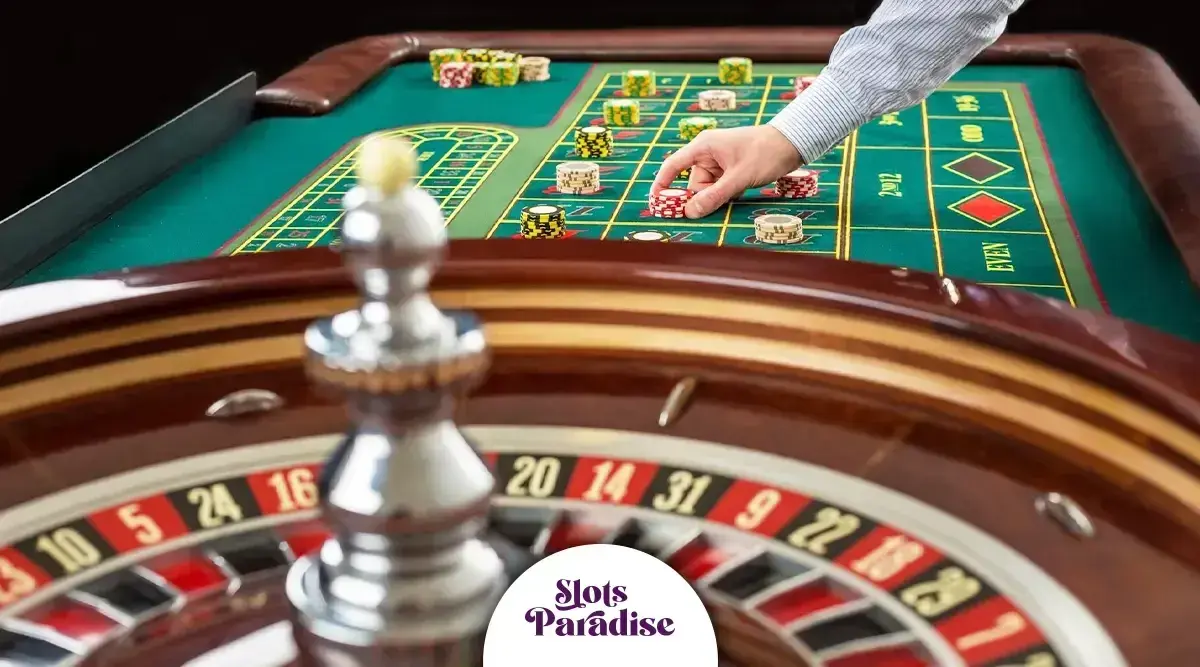
The spin of the wheel. The clatter of the ball. The collective breath held around a green felt table. Roulette is a pure, almost primal, engine of chance. It feels a world away from the strategic, resource-managing, story-driven modern board games crowding our shelves today.
But here’s the thing: game designers are masterful thieves. They borrow, remix, and reinvent mechanics from everywhere. And lately, they’ve been stealing glances at the casino. The result? A fascinating blend of old-school gambling thrill and contemporary board game design that’s creating some truly unique experiences.
Pure Chance as a Pacing Tool
In modern board games, control is king. Players love building engines, executing combos, and feeling smart. But total control can, ironically, lead to analysis paralysis and predictable play. This is where a dash of roulette-like randomness comes in.
Think of it like spice. Too much ruins the dish, but just enough creates excitement. Designers use wheels, spinners, and random draw bags to inject moments of unpredictable energy. It resets the board state, forces players to adapt on the fly, and creates those “table talk” moments where everyone has an equal shot at a windfall. It’s not about replacing strategy, but about punctuating it.
The Allure of the “Press Your Luck” Moment
This is the core psychological hook roulette masters. Do you cash out your safe bets, or let it ride for one more spin? Modern board games have baked this tension into their very DNA. Games like Quacks of Quedlinburg or Cube Quest are built entirely around this push-and-pull. You’re constantly drawing from a bag or flicking a cube, knowing the next piece could be a glorious bonus or a catastrophic bust.
It transforms a passive random event into an active, agonizing choice. You’re not just watching the wheel; you’re deciding how many chips to throw onto it. That agency, paired with uncertainty, is incredibly potent.
Mechanics Borrowed from the Felt
Let’s get specific. How are these mechanics actually showing up on your game night table?
- The Literal Wheel: Games like Wheel of Fortune or The Isle of Cats use a spinning wheel to determine resources or actions. It’s a direct, tactile lift that everyone understands instantly.
- Area Control Betting: Roulette is all about placing chips on specific outcomes. In area control games like Mission: Red Planet or El Grande, you’re secretly committing agents (your “chips”) to regions, hoping your prediction of the area’s value pays off better than your opponents’. It’s speculative, it’s competitive, and it’s deeply satisfying.
- Probabilistic Calculation: Serious roulette players (well, as serious as one can be) think about odds. Modern Eurogames often ask players to calculate the odds of drawing certain resources or triggering events, then plan contingencies. The randomness is there, but it’s a known quantity you can hedge against.
A Case Study: The Rising Popularity of “Bag-Building”
This might be the clearest evolution. Bag-building games replace a roulette wheel with a draw bag. You start with basic tokens (your low-risk bets) and, through gameplay, add more powerful—but sometimes riskier—tokens to the bag. Every draw is a spin of your personal wheel.
The genius is in the curation. You built the bag, so the “luck” feels earned. Yet the outcome is still unknown. It merges long-term strategy with short-term thrill perfectly, answering a modern player’s desire for both agency and excitement.
Why This Fusion Works Right Now
Honestly, it taps into a few current trends. After years of heavy, brain-burning strategy games, there’s a real appetite for accessible, high-interaction games that don’t take four hours to learn. The roulette-inspired mechanic is instantly graspable. Everyone gets the concept of a spin.
It also creates incredible moments of shared experience—the collective groan when the wheel lands on the one spot no one wanted, or the eruption when someone hits their long-shot bet. In an era where board games are as much about social connection as competition, that’s gold.
| Roulette Element | Modern Board Game Adaptation | Player Experience Delivered |
| The Spin / Drop | Spinner, Dice Roll, Bag Draw | A moment of suspense and shared focus. |
| Placing Bets | Secret Unit Deployment, Resource Commitment | Strategic speculation and hidden information. |
| Payout Table | Variable Scoring Conditions, End-Game Bonuses | Risk assessment and calculated investment. |
| The “Let It Ride” Choice | Press-Your-Luck Game Phases | Agonizing tension between safety and potential reward. |
Beyond the Thrill: Mitigating the Chaos
Sure, pure luck can feel cheap. The best modern designs know this. They don’t just graft a wheel onto a game; they give players tools to manage the odds. Maybe you can spend a resource to re-spin, or nudge the result one space. Perhaps you can insure a bet, or diversify your “wagers” across multiple options.
This is the real sweet spot. It’s the feeling that, while you can’t control the spin, you’ve positioned yourself to profit from several possible outcomes. You’re playing the meta-game of probability, not just hoping for a number. That transforms a mechanic of chance into a tool for skillful play.
A Spin on the Future
So, what does this mash-up tell us? That the timeless human love for a gamble hasn’t disappeared; it’s evolved. We still crave that jolt of adrenaline, that story to tell about the impossible comeback. Modern board game design is just giving us more interesting ways to earn it—or, at least, to feel like we have.
The next time you pull a token from a bag or watch a spinner slow to a halt, listen. You might just hear the faint, satisfying click of a roulette ball finding its home, repurposed for a new generation of play.

